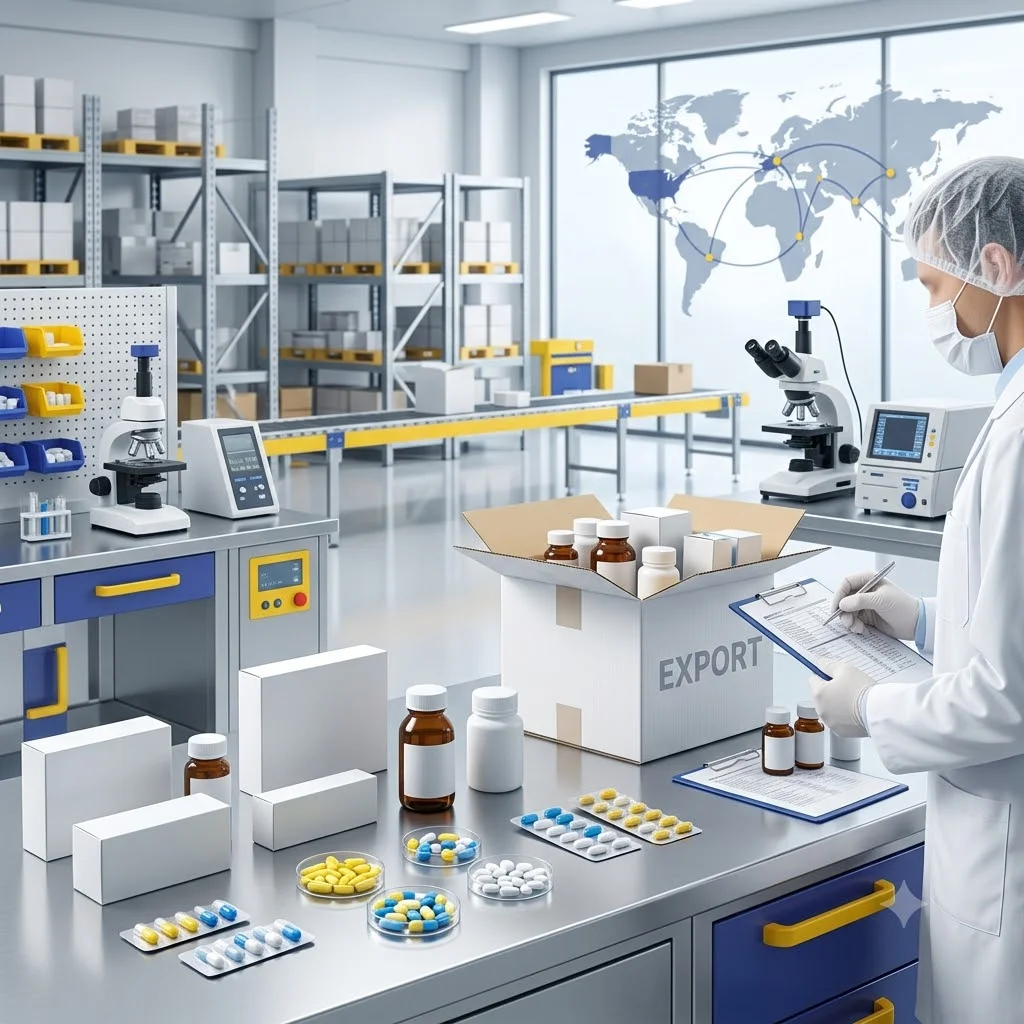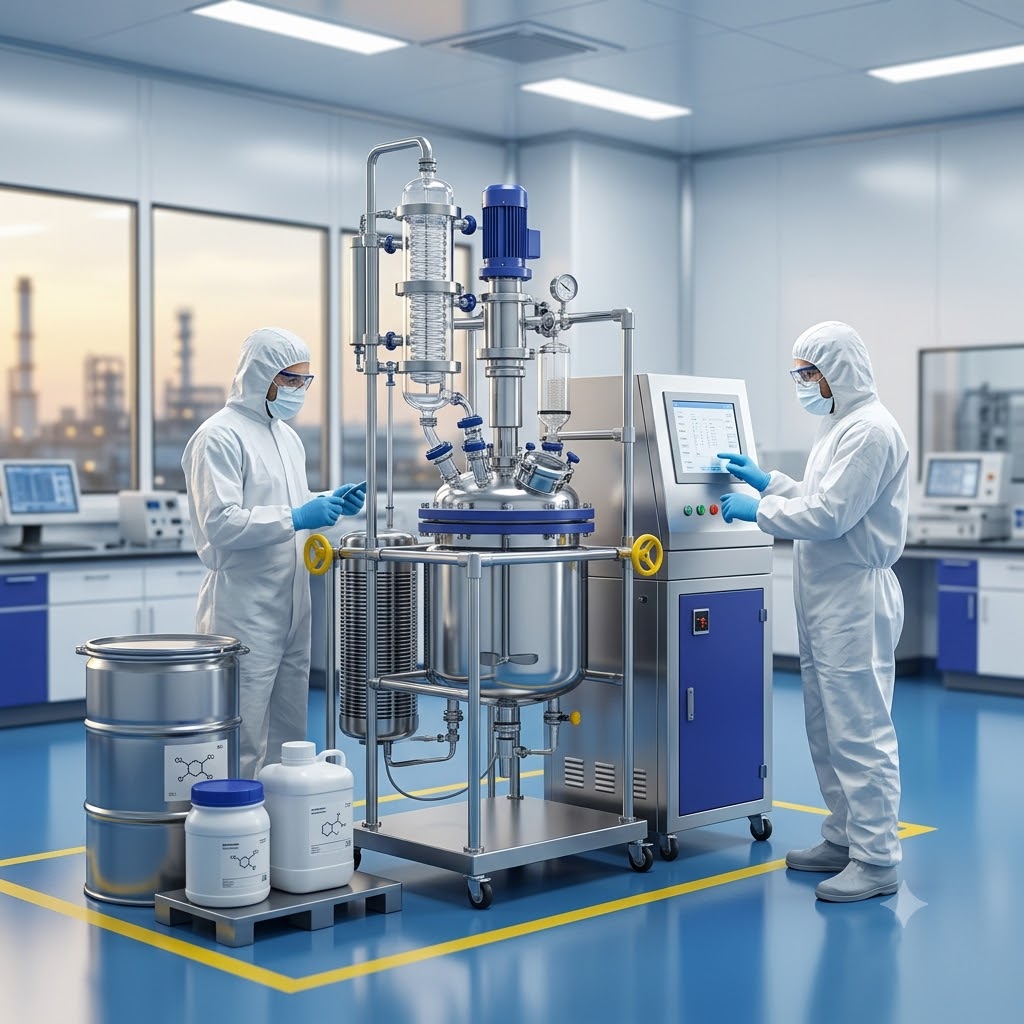
Active Pharmaceutical Ingredients, commonly known as APIs, are the core components used to manufacture medicines. Without reliable API availability, pharmaceutical production can face delays, cost pressure, and supply uncertainty. This is why API supply resilience has become an important discussion for healthcare companies, manufacturers, distributors, and policymakers in emerging markets.
For countries that depend heavily on imported raw materials, global disruption can quickly affect medicine availability. Trade delays, shipping issues, price changes, geopolitical pressure, and supplier limitations can all create challenges for pharmaceutical businesses. Local API manufacturing helps reduce this risk by strengthening domestic production capacity and improving long-term supply confidence.
Why API Supply Resilience Matters
Pharmaceutical supply chains are highly sensitive. A finished medicine may look simple on the pharmacy shelf, but behind it there is a complex system of raw materials, quality checks, manufacturing processes, documentation, packaging, and distribution. If API supply becomes unstable, the entire chain can be affected.
For manufacturers, API shortages may cause production delays. For distributors, it can create stock uncertainty. For healthcare systems, it can affect medicine access. This is why resilient API supply is not only a business advantage; it is a healthcare priority.
Local Manufacturing Reduces Dependence
Local API manufacturing gives emerging markets more control over essential raw material supply. Instead of depending fully on international sources, domestic production can support greater stability, faster response, and better planning.
This does not mean global trade becomes unnecessary. International partnerships will always remain important. However, local API capacity can create a stronger balance between imports and domestic production. This balance helps protect the market from sudden disruptions.
Better Support for Pharmaceutical Growth
When API manufacturing capacity improves, local pharmaceutical companies can plan more confidently. They may develop new products, improve production timelines, and build stronger relationships with hospitals, pharmacies, government buyers, and export markets.
API capacity can also support technical skill development, research, quality systems, and future innovation. Over time, this can help the pharmaceutical sector move from basic trading toward stronger manufacturing value.
Why Emerging Markets Need This Strategy
Emerging markets have growing healthcare needs. Population growth, chronic disease burden, medicine demand, and healthcare expansion all require more reliable supply systems. If these markets depend too much on external API sources, they remain exposed to global instability.
A stronger local manufacturing base can help support medicine availability, national healthcare security, and regional export potential. It also allows businesses to respond more quickly to market needs.
Final Thoughts
API supply resilience is becoming a key priority for pharmaceutical growth. Local API manufacturing helps emerging markets reduce risk, improve supply confidence, and support long-term healthcare development.
Musani Group is committed to strengthening healthcare manufacturing through pharmaceuticals, nutraceuticals, softgel manufacturing, global trade, and future API development, supporting a stronger and more reliable healthcare supply ecosystem.