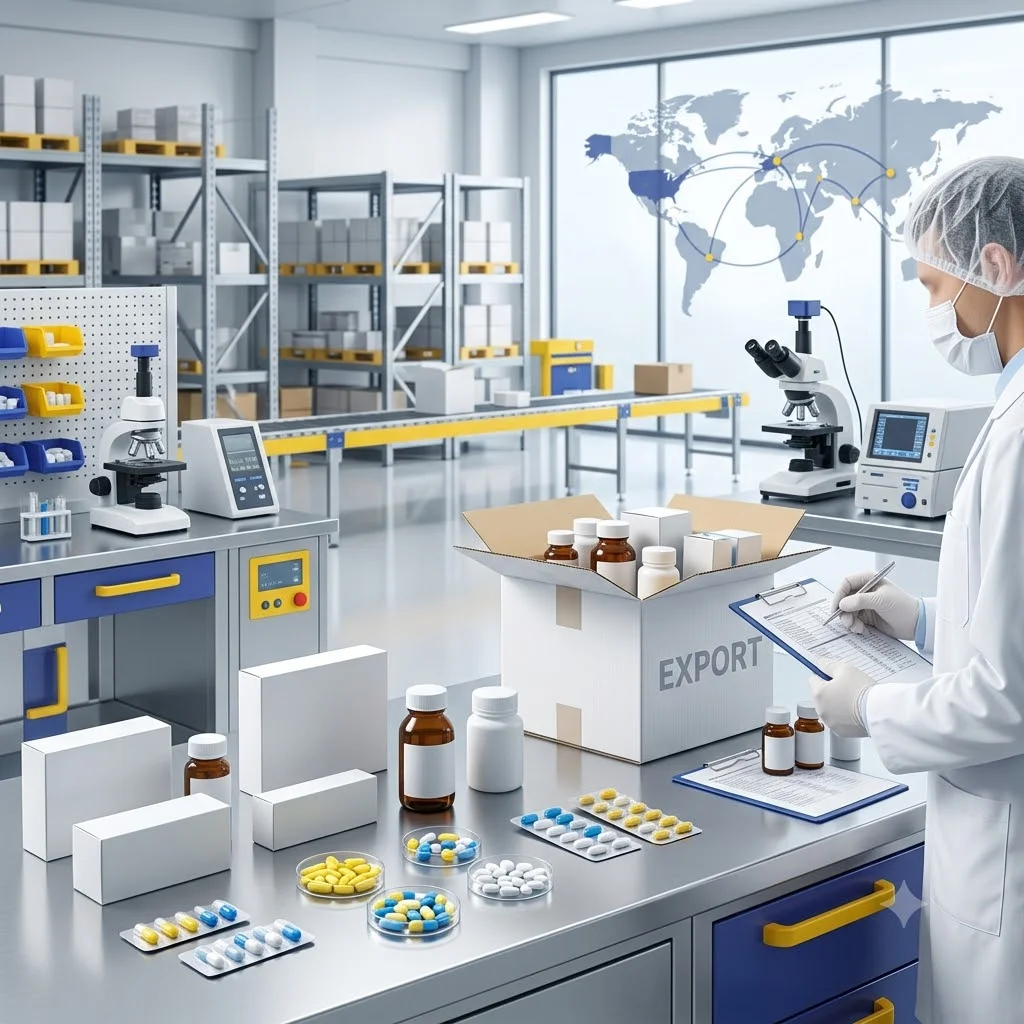
Essential medicines play a critical role in healthcare systems. They support hospitals, pharmacies, distributors, government buyers, and communities that depend on reliable medicine availability. Because of this, importers and healthcare buyers do not choose export partners only by price. They look for quality, consistency, documentation, supply reliability, and professional communication.
In the pharmaceutical trade, trust is everything. A buyer may receive many offers from suppliers, but only a few companies are ready for serious long-term business. The right export partner helps reduce supply risk, improves product confidence, and supports smoother international trade.
Product Quality Comes First
The first thing importers check is product quality. Finished pharmaceutical products must be manufactured, packed, stored, and supplied with professional care. Buyers want to know that the supplier understands medicine quality, batch consistency, shelf life, and market expectations.
In healthcare, weak quality can create serious risk. That is why importers prefer partners who can provide reliable products, proper product information, and a professional supply process.
Documentation Builds Buyer Confidence
Documentation is one of the most important parts of pharmaceutical export business. Importers may ask for product specifications, certificates, manufacturing details, stability information, shelf-life data, packaging details, registration support, and shipment documents.
A supplier that can prepare and share documents quickly appears more serious and reliable. It also helps buyers evaluate the product faster and move forward with internal approval, regulatory review, and purchasing decisions.
Supply Reliability Matters
Essential medicines require stable supply. Importers want to avoid frequent shortages, delayed shipments, unclear timelines, and inconsistent availability. A good export partner should be able to discuss lead times, production planning, order quantities, shipment coordination, and future supply capacity clearly.
Supply reliability is especially important for distributors serving pharmacies, hospitals, or institutional channels. If supply fails, the buyer’s reputation can also be affected.
Packaging and Market Suitability
Importers also check whether the product packaging is suitable for their market. Labels, cartons, dosage form, pack size, storage instructions, and product presentation must match the needs of the target buyer.
A product may be good, but if the packaging does not look professional or market-ready, it can be difficult for importers to sell. Strong packaging helps build trust with distributors, pharmacies, and end customers.
Pricing, Communication and Long-Term Support
Price is important, but it is not the only factor. Importers also look at response speed, quotation clarity, sample coordination, payment terms, shipping support, and after-sales communication. A professional supplier gives clear answers and helps the buyer feel confident throughout the process.
Final Thoughts
Essential medicine trade depends on quality, documentation, supply reliability, packaging, pricing, and communication. Importers choose partners who can reduce risk and support long-term market growth.
Musani Group supports healthcare businesses through pharmaceuticals, nutraceuticals, softgel manufacturing, global trade, and future API development, helping buyers and partners build stronger, more reliable healthcare supply relationships.